


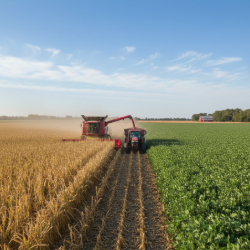
Heading into the USDA’s annual Ag Outlook Forum (AOF) next week, there is heightened speculation and anticipation about what the 2026/27 crop outlook will be. WPI updated our acreage forecasting models to help clients know what to expect—most likely—from the upcoming AOF forecasts. Note that the models we use this time of year attempt to predict what the acreage figures will be in the March Prospective Plantings report, not final acreage. The distinction is important, as the March Prospective Plantings figures have historically reflected more of the economic factors influencing farmers, whereas the final acreage numbers are influenced by economics and, more so than the earlier reports, spring weather. Critical to our...


 What You Need to Know Today: The U.S. dollar continued to strengthen Thursday as persistent inflation reinforced expectations for additional Federal Reserve interest rate hikes. Higher Treasury yields have helped support the dollar, potentially reducing the competitiveness of U.S. agricultural...

 In yesterday’s WASDE, USDA reduced its overall red meat and poultry production forecast for 2026 as declines in beef and broiler output more than offset increases in pork and turkey production. Fourth-quarter beef production was revised downward because of slower fed cattle marketings and...
 Key Takeaways: Dry bulk freight markets were stronger this week, but the rally was uneven and due to divergent dynamics across basins and vessel classes. Panamax markets were broadly higher, but Atlantic grain demand was primarily responsible while Asian activity was subdued. That trend...

From WPI Consulting
Accountability and a comprehensive approach to export programming

WPI’s team helped construct a strategic approach to develop, implement, and track promotional activities in 8 key regions across the globe for an agricultural export association. With continued progress measurement and strategic advisory services from WPI, the association has seen its ROI from investments in promotional programming increase by 44 percent over the past 5 years. Not only does this type of holistic approach to organizational strategy provide measurable results to track and analyze, it fosters top-down and bottom-up organizational accountability.