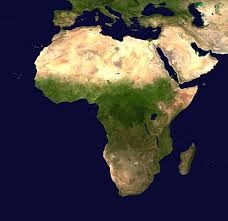
Africa’s population is on a trajectory that could double its size by 2050 to 2.5 billion, or a quarter of the global populace. The West (U.S., EU, Japan) are in a competition with the Axis (China, Russia) for influence over Africa. One way to influence is to actively trade, including in agricultural products. Using research by IFPRI, Business Insider Africa reporter Adekunle Agbetiloye has highlighted some of the interactions of the Continent with other countries, including in agriculture. Africa is second only to Asia in terms of growth in agricultural imports. Brazil is dominant in supplying the Continent with sugar and meat, while Indonesia supplies palm oil. The U.S. is a large supplier of soybeans, but that confronts compe...



 What You Need to Know Today: Crude oil prices extended their rally today, supported by several developments, including escalating Houthi attacks on Saudi Arabian oil infrastructure and growing concerns about supply disruptions. The Trump administration is reportedly preparing to remove 50 perc...
 Key Takeaways: The agricultural trade surplus has become a sizable deficit: the balance swung from a $40.1 billion surplus in 2011 to a $40.7 billion deficit in 2025. Imports kept growing while exports lost momentum: between 2020 and 2025, agricultural imports increased 45 percent, compa...
 What You Need to Know Today: New World screwworm is back in the headlines after new cases were found in a hunter-harvested elk in Texas and a beef cow in New Mexico. The detection in wildlife could further complicate containment efforts, as implementing effective biosecurity measures is consid...

 Key Takeaways: Demand and capacity decide where milk growth lands. Italian cheese is up 4.2 percent in 2026, and milk output is growing fastest in Kansas, South Dakota and Texas, where the new plants are located. Price spreads decide where the marginal milk goes. The Class IV premium over Clas...

From WPI Consulting
Infrastructure investment due diligence
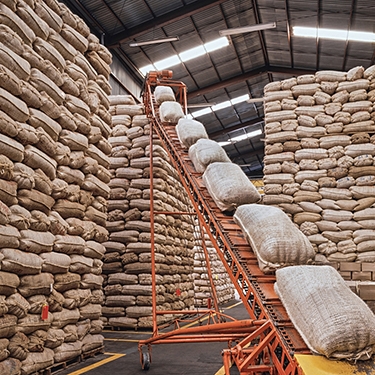
On behalf of a Canadian oilseed processer WPI's team provided market analysis, econometric modeling and financial due diligence in support of a $24 million-dollar investment in a Ukrainian crush plant. Consistent with WPI's findings, local production to supply the plant and the facility's output have expanded exponentially since the investment. WPI has conducted parallel work on behalf of U.S., South American and European clients, both private and public, in the agri-food space.