



Livestock Muyuan’s Credit Default Sends Shockwave Through Industry Based on recent reports from the Shanghai Commercial Paper Exchange (SHCPE), more than 30 of Muyuan’s subsidiaries have defaulted on their commercial paper obligations. The SHCPE, which is a national platform for the exchange of corporate issued notes and bonds under the supervision of the People’s Bank of China, indicated the value of the defaults exceeds $2.6 million in U.S. dollars. The share price of Muyuan fell by 10 percent yesterday, reaching the daily limit on Shenzhen Exchange, while other publicly listed domestic hog companies also saw significant price drops in their share prices. Market analysts have had doubts concerning Muyuan’s finan...



 What You Need to Know Today: Markets got a surprise with a corn yield of 181.2 bushels/acre in the October WASDE, above the average estimate of 177.6 bushels/acre and up from USDA’s September estimate of 178.5 bushels/acre. Although stronger demand is expected to absorb some of the addit...
 The USDA has lowered its 2026 red meat production forecasts slightly while forecasting a slight increase in broiler production. Beef is now projected at 24.802 billion pounds, 75 million pounds less than in September. Cow slaughter is expected to be up; however, this will be offset by lower ste...

From WPI Consulting
Infrastructure investment due diligence
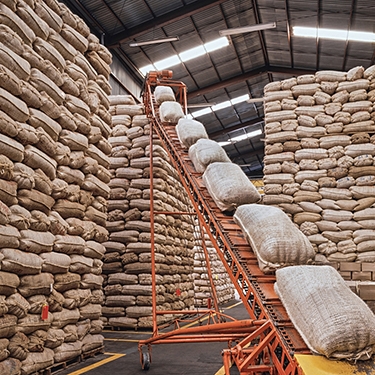
On behalf of a Canadian oilseed processer WPI's team provided market analysis, econometric modeling and financial due diligence in support of a $24 million-dollar investment in a Ukrainian crush plant. Consistent with WPI's findings, local production to supply the plant and the facility's output have expanded exponentially since the investment. WPI has conducted parallel work on behalf of U.S., South American and European clients, both private and public, in the agri-food space.