


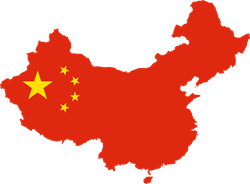
Food self-sufficiency is China’s policy goal but Anna Czenthe with the Leibniz Institute of Agricultural Development in Transition Economies points out why the facts on the ground make it an impossibility. China has built up large strategic reserves, including half the world’s wheat and two-thirds of the corn, for a reason. It is one of the most water scarce countries in the world and this year drought is shrinking the water supply even further. She notes that future food demand will require an additional 3-12 million hectares of farmland that China does not possess. Replacing imports would cause “resource depletion and massive losses in welfare and quality of life.” She correctly notes that China will remain highly...


 What You Need to Know Today: Markets got a surprise with a corn yield of 181.2 bushels/acre in the October WASDE, above the average estimate of 177.6 bushels/acre and up from USDA’s September estimate of 178.5 bushels/acre. Although stronger demand is expected to absorb some of the addit...

 The USDA has lowered its 2026 red meat production forecasts slightly while forecasting a slight increase in broiler production. Beef is now projected at 24.802 billion pounds, 75 million pounds less than in September. Cow slaughter is expected to be up; however, this will be offset by lower ste...

From WPI Consulting
Accountability and a comprehensive approach to export programming

WPI’s team helped construct a strategic approach to develop, implement, and track promotional activities in 8 key regions across the globe for an agricultural export association. With continued progress measurement and strategic advisory services from WPI, the association has seen its ROI from investments in promotional programming increase by 44 percent over the past 5 years. Not only does this type of holistic approach to organizational strategy provide measurable results to track and analyze, it fosters top-down and bottom-up organizational accountability.