
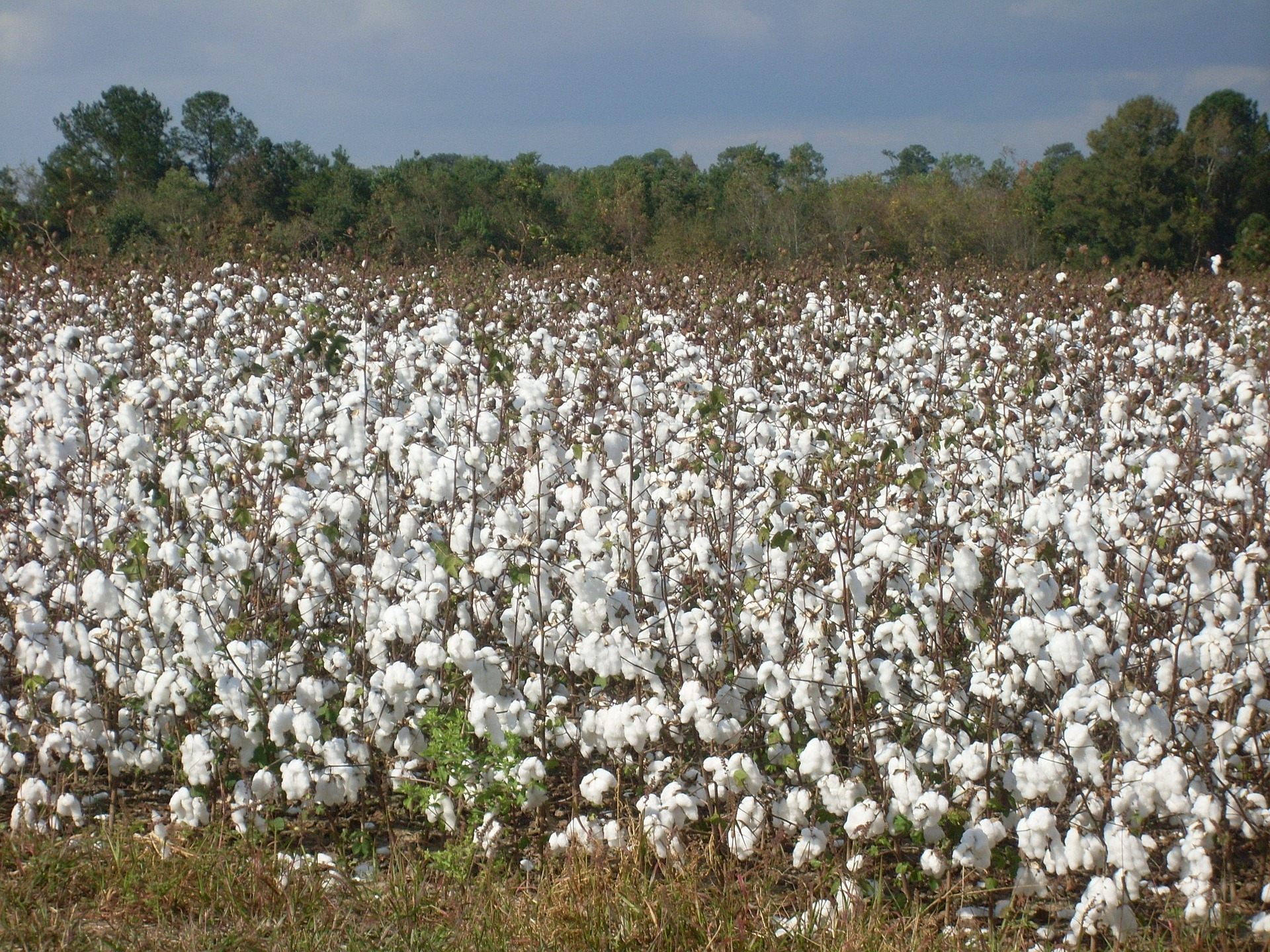
Following recent client requests, WPI provides the following overview of the cotton market, its basic structure and recent trends, and a short outlook for MY 2024/25. Cotton Production World cotton production is highly concentrated with four countries (China, India, Brazil, and the U.S.) accounting for 71 percent of total production. Pakistan and Australia are the next largest producers but their contribution to the market tends to adjust supplies on the margin rather than provide major directional influences. The world’s largest producers, China and India, account for about 45 percent of global cotton output. China and India are also the two largest users of cotton, though China’s industry for refining cotton and...



 What You Need to Know Today: The September Cattle on Feed report was strongly bullish, with both the 1 September on-feed inventory and August placements coming in well below average expectations and below the bottom of their respective pre-report estimate ranges. China continues to buy U...


 USDA’s September cattle on feed report was released Friday, with the total number of cattle in feedlots with 1,000 head or more capacity amounting to 11.2 million head, 101 percent of last year. Placements dropped in August to their lowest total for the month since records began in 1996...
 Key Takeaways: The U.S. herd is stabilizing, but growth remains modest. Total goat inventory rose 1 percent in 2026, while meat-goat numbers increased 2 percent, which is not enough to materially reduce import dependence. Domestic slaughter is rising from a low base. Commercial slaughter incre...

From WPI Consulting
Weighing in on strategic realignment

WPI’s team was retained by the governing board of a U.S. industry organization to review a decision, reached by vote, to invest significant assets into the development and management of an export trading company. WPI’s team conducted a formal review of this decision and concluded that the current level of market saturation would limit the benefits of the investment. Based on WPI’s analysis and recommended actions, the board subsequently reversed its decision and undertook a strategic planning effort to identify more impactful investments. On behalf of numerous clients, WPI has not only assisted in identifying strategic paths but also advised their implementation.