
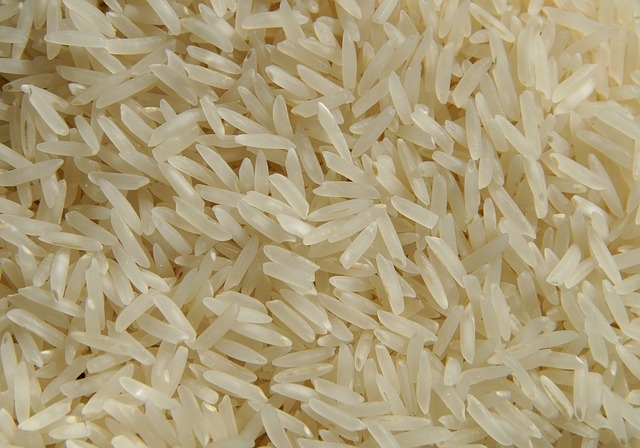
Although several crops are at risk due to the drought in southern China, rice is said to be the most at risk. This is because almost half the country’s rice crop is produced in the six provinces being impacted (Sichuan, Chongqing, Hubei, Henan, Jiangxi and Anhui). Some call it a severe challenge. One advisory firm warns that its vegetative health index for the affected region “is at the lowest level in more than two decades.” Rice is a water intensive crop and soil moisture levels are said to be at a 12-year low. Still, others say crop production will not be severely impacted. Li Guoxiang of the Chinese Academy of Social Sciences told the Global Times that the places where it will be felt most strongly are in the mo...



 Key Takeaways: Lamb and goat tariffs protect market share, not prices. The flock is too small to respond quickly, and the burden depends on origin: 12.5 percent on Australia and New Zealand, reportedly 37.5 percent plus the base rate on China. Wool is most exposed via the export side. The U.S...

From WPI Consulting
Communicating importance of value-added products

Facing increasing pressure to quantify the value of export promotion efforts to investors, a U.S. industry organization retained WPI to develop a quantitative model that better communicated the importance of exports. The resulting model concluded that value-added meat exports contributed $0.45 cents per bushel to the price of corn, increasing support for that sector’s financial support of WPI’s client. In addition to serving the red meat industry with this type of analysis, WPI has generated similar deliverables for the U.S. soybean and poultry/egg industries.