



On Sunday night, the CBOT seemed set to dramatically extend last week’s rally with corn, wheat, and soybeans all gapping higher at the open in response to a more concerning Midwest weather pattern over the weekend. By the day’s close, however, wheat futures fell 30+ cents and pared gains in new crop corn and soybeans down to single digits. The only markets to post meaningful rallies for the day were the live and feeder cattle markets, where a combination of bullish near-tern fundamentals and technical buying spurred the markets higher. Weighing on grain and oilseed price action was the looming July WASDE, to be released at Noon Tuesday, and in which analysts are generally expecting larger ending stocks for U.S. corn, soybeans, a...



 What You Need to Know Today: There has already been a strong run of flash soybean sales announcements in recent weeks, but more than 1.4 MMT reported this morning is an exceptionally large single-day total with major implications for the market. If the sales to China and unknown destinations w...
 On Friday, at 6:57 AM, President Donald Trump announced, via a social media post, a 90-day window during which up to 300,000 metric tons of product for ground beef could be imported outside of tariff-rate quotas—a move aimed at bringing down costs for American consumers. This is the secon...

From WPI Consulting
Infrastructure investment due diligence
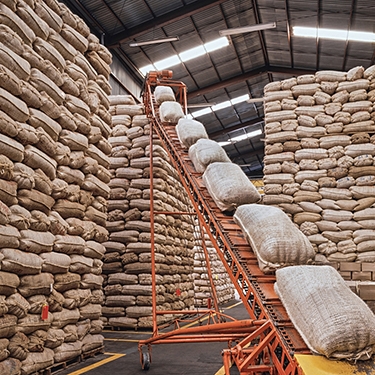
On behalf of a Canadian oilseed processer WPI's team provided market analysis, econometric modeling and financial due diligence in support of a $24 million-dollar investment in a Ukrainian crush plant. Consistent with WPI's findings, local production to supply the plant and the facility's output have expanded exponentially since the investment. WPI has conducted parallel work on behalf of U.S., South American and European clients, both private and public, in the agri-food space.