
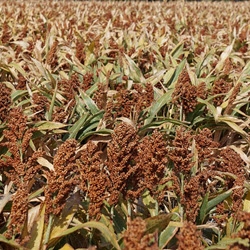
The three major global suppliers of sorghum are the U.S., Argentina, and Australia. China has been a critical market for U.S. sorghum in recent years but is less likely to be in 2022/23. Production was less than half the 10-year average due to drought in the southwest. Australia is most likely to capitalize on the vacuum since its crop was 77 percent larger than average. Like the U.S., around 60 percent of Australia’s sorghum production is exported. Argentina’s sorghum production was almost 15 percent better than average, but two-thirds of its output is consumed domestically, leaving far less to export. Although corn is cheaper and U.S. corn export commitments and shipments are down considerably from last year and the five-year...



 What You Need to Know Today: Markets got a surprise with a corn yield of 181.2 bushels/acre in the October WASDE, above the average estimate of 177.6 bushels/acre and up from USDA’s September estimate of 178.5 bushels/acre. Although stronger demand is expected to absorb some of the addit...

 The USDA has lowered its 2026 red meat production forecasts slightly while forecasting a slight increase in broiler production. Beef is now projected at 24.802 billion pounds, 75 million pounds less than in September. Cow slaughter is expected to be up; however, this will be offset by lower ste...

From WPI Consulting
Communicating importance of value-added products

Facing increasing pressure to quantify the value of export promotion efforts to investors, a U.S. industry organization retained WPI to develop a quantitative model that better communicated the importance of exports. The resulting model concluded that value-added meat exports contributed $0.45 cents per bushel to the price of corn, increasing support for that sector’s financial support of WPI’s client. In addition to serving the red meat industry with this type of analysis, WPI has generated similar deliverables for the U.S. soybean and poultry/egg industries.