
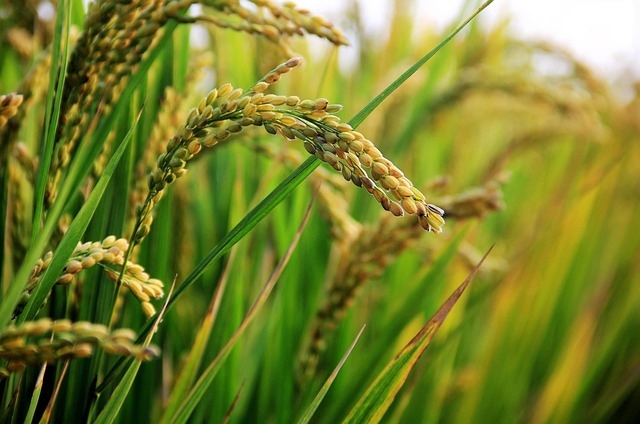
It is noted that rice imports by Nigeria are declining, with increased border protections and larger domestic production to blame. However, the same dynamic is occurring in other major rice markets such as the Philippines, China, Saudi Arabia, and Cote d’Ivoire. Global rice trade hit its peak in 2017 and since has shrunk by 10 percent. By contrast, consumption over the same period has grown by 2.7 percent, the difference accounted for by increased domestic production. The global average tariff on rice has typically been higher than some other commodities, though skewed by a handful of countries with outsized protections. Increased rice production by large consuming countries like India and Bangladesh help to drive the change.&n...



 What You Need to Know Today: The Brazilian real surged to start the week after a surprise election result in which right-wing Flavio Bolsonaro won the first round of the election. The swing in the U.S. dollar/Brazilian real (USD/BRL) exchange rate caused soybeans to jump sharply higher in earl...
 Key Takeaways: Harvest pressure is fundamentally a timing issue: supply arrives much faster than demand can adjust, creating temporary weakness that can occur across crops and regions. The intensity of that pressure depends less on crop size alone than on how quickly grain moves into the syste...
 Developer's Note 24 August 2026: WPI recently completed an exercise that updated the codebase for this app and solved some of the discrepancies between our five-year average calculation and USDA's. There are a few lingering cases where early (late) starts (finishes) to the crop cycle resu...

From WPI Consulting
Communicating importance of value-added products

Facing increasing pressure to quantify the value of export promotion efforts to investors, a U.S. industry organization retained WPI to develop a quantitative model that better communicated the importance of exports. The resulting model concluded that value-added meat exports contributed $0.45 cents per bushel to the price of corn, increasing support for that sector’s financial support of WPI’s client. In addition to serving the red meat industry with this type of analysis, WPI has generated similar deliverables for the U.S. soybean and poultry/egg industries.