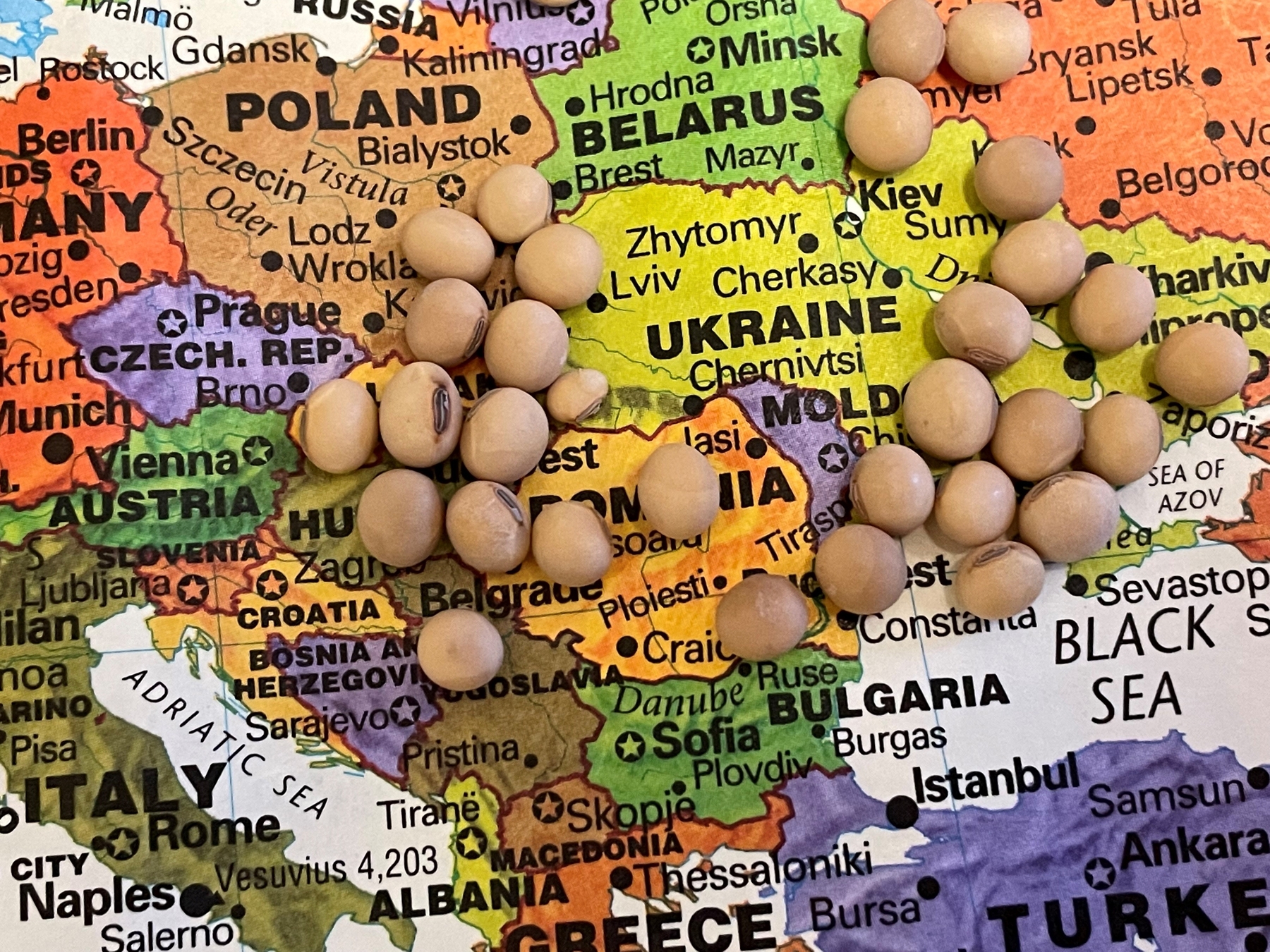
According to reports from Ukraine’s Ministry of Defense intelligence operations, Russia has been purposefully bombing and/or commandeering agricultural machinery in the Ukraine, at least through last week. The latest was in the Sumska Oblast in north central Ukraine where a warehouse full of equipment was destroyed. Other areas hit include neighboring Chernivetska, the Kyivska Oblast surrounding Kyiv, and Kahrkivska where Kahrkiv is located. Zaporizka (southeast) and Khersonska (south central where the ports are located) have also been targeted. Data compiled by USDA FAS, reported from the State Statistics Service of Ukraine, the five-year 2016-2020 average production of wheat and corn for each region is in the table below, wit...


 Key Takeaways: The Panama Canal’s draft restrictions and decreasing rainfall outlook are driving big moves in dry bulk markets this week. Panamax markets are sharply lower as the economics of moving freight across the Canal are deteriorating rapidly, leading to support in Supramax vessels...


 Russian Grain Markets: 10–14 August 2026 The Russian grain market continued to weaken sharply during the second week of August as the Black Sea logistics situation deteriorated. Russia and Ukraine continued exchanging drone and ballistic attacks on seaports, infrastructure and commercial...

 Key Takeaways: Brazil’s growing role in global agriculture is accompanied by a major vulnerability: the country imports approximately 88 percent of its fertilizer needs. High natural gas costs and development challenges have limited domestic nitrogen and potash production despite Brazil&...
 Unlike the 2022 fertilizer shock, today’s disruption is rooted less in rerouted trade flows and more in damaged production capacity, raw material constraints and uncertain recovery timelines. That makes this a longer-duration risk for U.S. agricultural producers and retailers who must sec...

From WPI Consulting
Forecasting developments in production agriculture
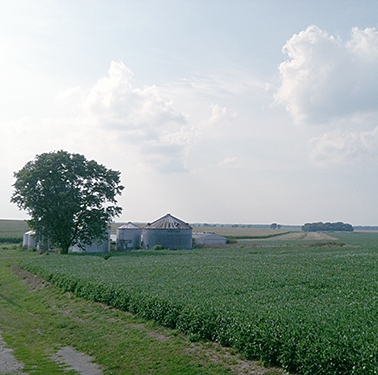
On behalf of a private U.S. agricultural technology provider, WPI’s team generated an econometric model to forecast the movement of concentrated corn production north and west from the traditional U.S. Corn Belt. WPI’s model has subsequently provided quantitative support to a multi-million-dollar investment into short-season corn variety development. WPI’s methodology included a series of interviews with regional grain elevators and seed consultants. Emphasizing outreach and communication with stakeholders who possess intimate sectoral knowledge – on-the-ground insights – is a regular component of WPI’s methodologies, made possible by WPI’s ever-growing network of industry contacts.