


 Over the course of 2025, the average tariff rate on U.S. imports increased from 2.6 percent at the beginning of the year to 13 percent by year-end. It then spiked in April and May, when tariffs on Chinese goods were raised by 125 percentage points, before being reversed by 115 percentage points...

 Heading into the USDA’s annual Ag Outlook Forum (AOF) next week, there is heightened speculation and anticipation about what the 2026/27 crop outlook will be. WPI updated our acreage forecasting models to help clients know what to expect—most likely—from the upcoming AOF forec...
 Key Market Developments Markets head into Friday’s CPI report expecting a 0.3 percent month-over-month increase in both headline and core inflation, keeping year-over-year readings near +2.5 percent. That matters — but perhaps not as much as it would have a few weeks ago. This week&...
 The recent February World Agricultural Supply and Demand Estimates (WASDE) report forecast beef production to increase in 2026 due to greater slaughter of steers and heifers, increased cow slaughter, and heavier dressed weights, all of which will provide some relief to the beef market. Also, th...

From WPI Consulting
Forecasting developments in production agriculture
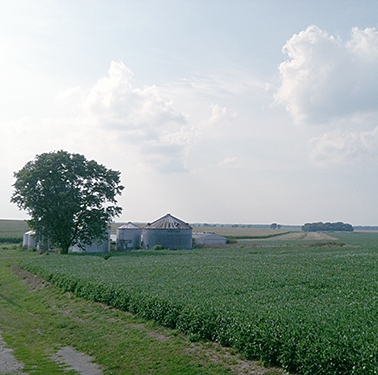
On behalf of a private U.S. agricultural technology provider, WPI’s team generated an econometric model to forecast the movement of concentrated corn production north and west from the traditional U.S. Corn Belt. WPI’s model has subsequently provided quantitative support to a multi-million-dollar investment into short-season corn variety development. WPI’s methodology included a series of interviews with regional grain elevators and seed consultants. Emphasizing outreach and communication with stakeholders who possess intimate sectoral knowledge – on-the-ground insights – is a regular component of WPI’s methodologies, made possible by WPI’s ever-growing network of industry contacts.